
SHARING OUR PASSION FOR HEALTH & WELLBEING
Can I fix my metabolism?

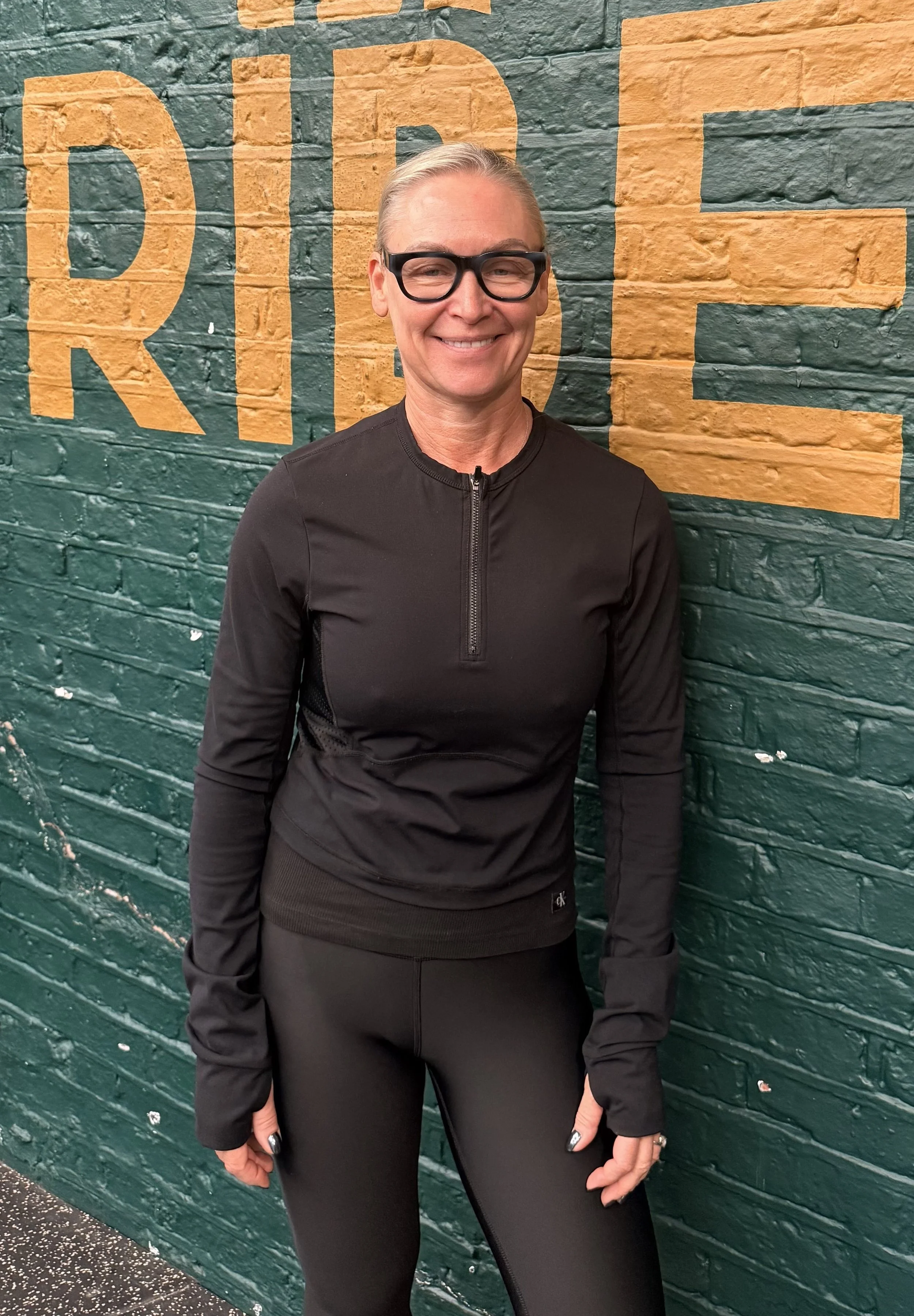
Nadia Iley - TRIBES Coach
28 August 2026
Have you ever felt like your metabolism has just stopped working? You’re eating less, training harder, doing everything “right”, yet the scales refuse to budge. It can feel frustrating, but the good news is that your metabolism probably isn’t broken – it has simply adapted.
What is metabolism?
Metabolism is the collection of chemical processes that keep the body functioning. It controls how efficiently the body converts food into energy, determining how quickly you burn calories to fuel essential functions like breathing, digestion, circulation, and physical activity.
However, your metabolism isn’t simply about how fast you burn calories – it’s a dynamic system that constantly adapts to your body’s needs. Throughout the day, your body switches between using carbohydrates and fat depending on what you are doing and what you have eaten. The ability to switch efficiently between these fuels is known as metabolic flexibility. For many people, that ability gradually declines over time, making it harder for the body to use energy efficiently.
Metabolic flexibility
In a healthy, metabolically flexible body, switching between fuel sources happens naturally. After you eat, your body mainly burns carbohydrates for energy. Between meals, during exercise, or while you sleep, it switches to burning stored fat.
When this system isn’t working well, it’s known as metabolic inflexibility. This is when your body struggles to make that switch – it relies too heavily on glucose and has difficulty using stored fat for energy. This can lead to difficulty losing body fat, feeling tired and sluggish throughout the day, increased hunger and cravings, and energy crashes after meals.
Why does metabolism slow with age?
Your metabolism does change over time, but it’s influenced by much more than just getting older. The biggest changes are often due to:
Loss of muscle mass (sarcopenia)
Because muscle tissue burns more energy at rest than fat, preserving it is key. As people age, they naturally lose muscle mass without regular resistance training – directly lowering their resting metabolic rate.Decrease in physical activity
People become less active over time, which lowers the number of calories burned each day.Hormonal changes
Levels of testosterone and oestrogen change with age, which can contribute to reduced muscle mass and changes in energy expenditure.Changes in body composition
Older adults generally have a higher proportion of body fat to lean mass, which reduces the body’s energy requirements.Research shows that metabolism remains remarkably stable between the ages of around 20 to 60 when body size and muscle mass are considered. After age 60, resting metabolism begins to decline by around 0.7 percent per year.
This means that the weight gains many people experience in their 40s and 50s is often due to metabolic inflexibility caused by eating more calories than your body needs, being inactive, losing muscle mass, poor sleep, stress, insulin resistance, and hormone changes – particularly during perimenopause and menopause.
Can my metabolism get stuck?
One of the most common things I hear from clients is, “My metabolism is stuck,” and that weight loss has stopped or slowed despite dieting.
Your metabolism cannot get stuck or permanently shut down. However, it can adapt. When you lose weight, become less active, or lose muscle mass, your body becomes more energy-efficient and burns fewer calories than before. This can make weight loss slower and create the feeling that your metabolism has stalled, even though it's still working normally.
Think of your metabolism like a car engine. It doesn’t get stuck in slow mode; it adjusts to the load it's carrying. A lighter car and a gentler driver use less fuel. Likewise, a lighter body with less muscle and less movement uses fewer calories.
How can I support my metabolism?
Your metabolism isn’t fixed, and it certainly isn’t broken. It’s constantly adapting to how you eat, move, and recover.
Build muscle, stay active, eat enough protein, prioritise sleep, and manage stress. Small, consistent habits have a far greater impact on your metabolism than any “metabolism-boosting” supplement or quick fix.
Look after your metabolism, and it will look after you!