
SHARING OUR PASSION FOR HEALTH & WELLBEING
Women and strength training for longevity
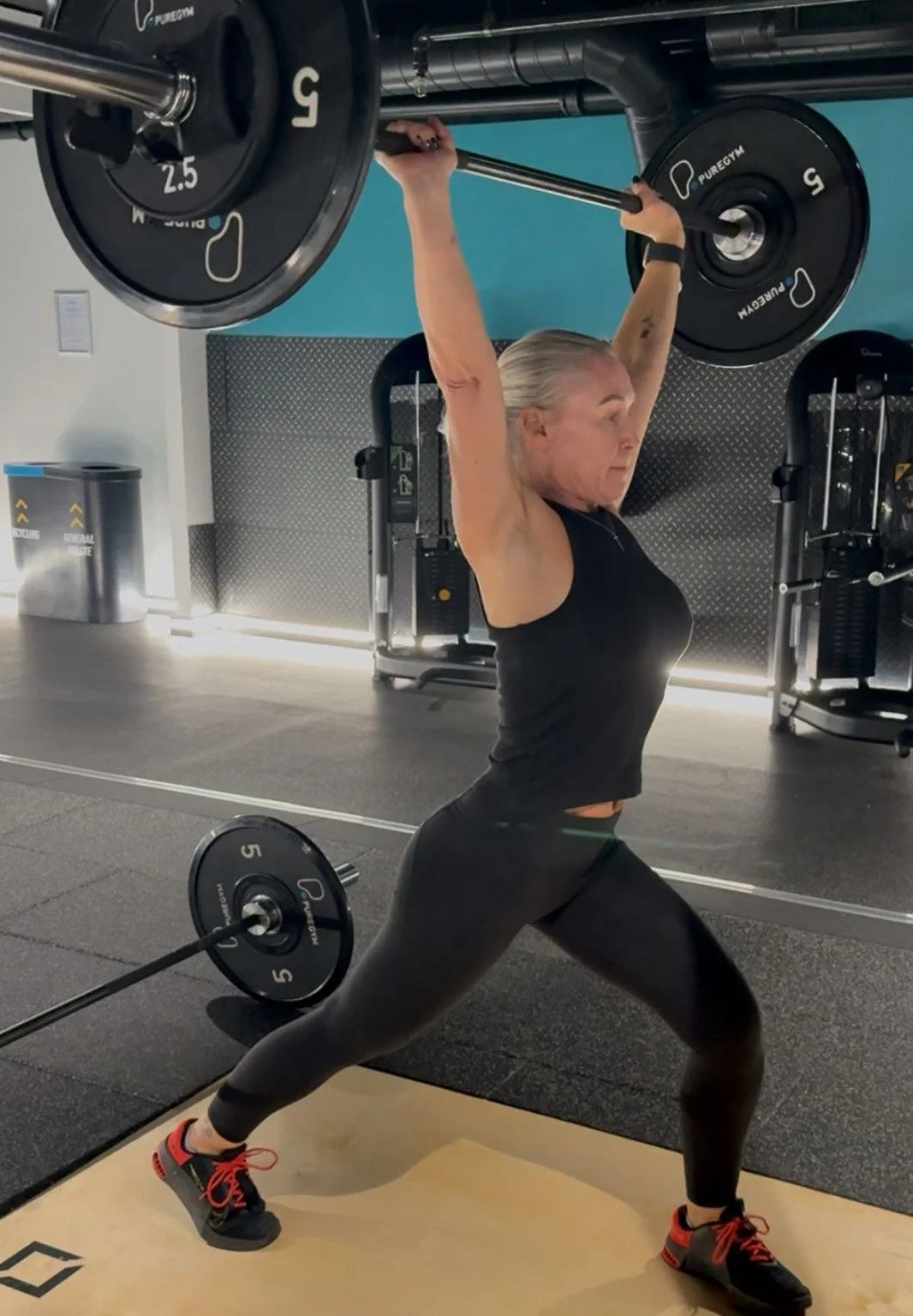
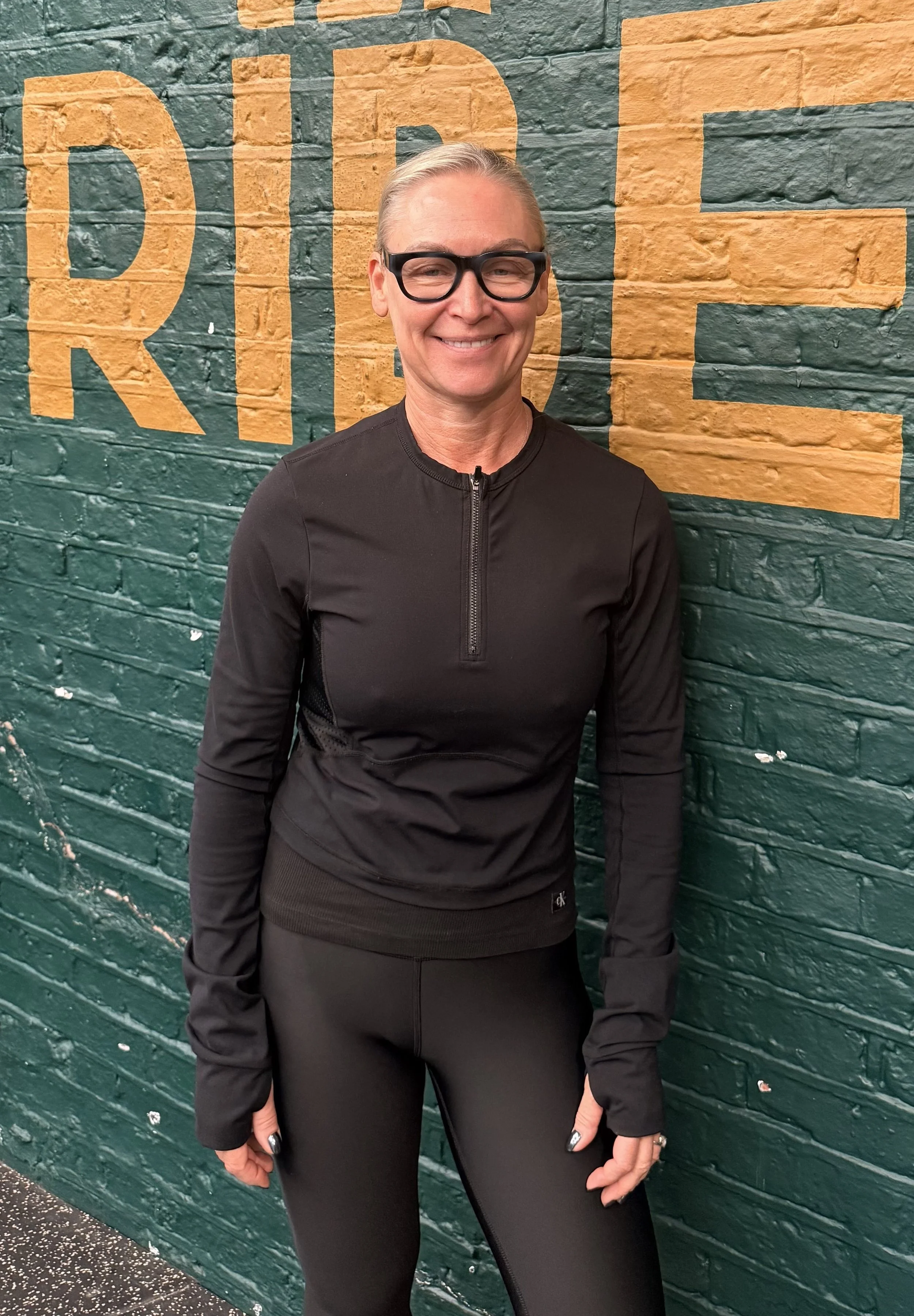
Nadia Iley - TRIBES Coach
14 November 2025
Do you want to start strength training but aren’t sure where to begin or which movements to focus on? You’re not alone. Many women hesitate to pick up weights because they don’t know where to start or worry about “getting bulky.” The truth is, strength training is one of the most powerful tools for supporting long-term health, confidence, and vitality.
Why women should focus on the posterior chain
Women are naturally more quad dominant, meaning the front of our thighs often take over during lower body movements. This can leave our glutes and hamstrings underdeveloped. Strengthening the posterior chain (the muscles along the back of the body) is a great way to restore balance, improve posture, and reduce the risk of injury, particularly in the lower back.
The posterior chain includes the calves, hamstrings, glutes, back, and neck muscles. Training these areas creates a strong foundation for everyday activities and helps your body move more efficiently and safely.
The role of muscle in healthy aging
Maintaining muscle mass is essential for functional movements like standing, lifting, running, and jumping, skills that naturally decline with age if not maintained. Strength training helps preserve these abilities, keeping you strong, capable, and independent for longer.
Muscle growth happens when your body repairs and rebuilds muscle fibres after resistance training. Since women have only about one-tenth of the testosterone that men do, lifting weights won’t make you bulky. Instead, it helps you become leaner, stronger, and more defined.
Oestrogen: The unsung hero of female strength
Women have a powerful hormone advantage, oestrogen. While it doesn’t build muscle as directly as testosterone, oestrogen plays a crucial role in muscle growth, repair, and protection.
It acts as a natural antioxidant, helping to protect muscle fibres from damage, which is why women often experience less soreness (DOMS) and faster recovery than men after similar workouts.
Oestrogen also helps reduce muscle protein breakdown, meaning women with healthy hormone levels can retain lean muscle mass even during calorie deficits or as they age.
The Menstrual Cycle connection
Your menstrual cycle can also influence how your body responds to training:
Follicular phase (days 1–14): Oestrogen levels rise, helping you feel stronger, recover faster, and perform better. This is an ideal time for heavier lifts and higher-intensity workouts.
Luteal phase (days 15–28): Oestrogen drops while progesterone rises. You might feel more fatigued and notice slower recovery. Use this time for lighter training, mobility work, and active recovery rather than pushing for personal bests.
By aligning your training with your cycle, you can get more out of your workouts while respecting your body’s natural rhythms.
Training through the stages of life
Between ages 40 and 50, women experience a natural decline in oestrogen. This can lead to decreased muscle mass, slower recovery, and reduced strength. That’s why resistance training and adequate protein intake become even more important during this stage of life.
Regular strength training helps maintain bone density, boost metabolism, and improve balance which are all vital for longevity and overall well-being.
How to start strength training
Start gently and focus on building a solid foundation with functional movements such as:
Squats
Lunges
Hip hinges
Pushes
Pulls
Rotations
Use light dumbbells or gym machines as you learn proper form. Begin each session with mobility and stability drills like dynamic movements to open up the hips, back, glutes, and hamstrings.
Once you’ve built a foundation and feel confident with your technique, progress to compound movements that engage multiple muscle groups. Over time, you’ll see improvements in mobility, stability, strength, and overall body confidence.
The takeaway
Nothing feels better than being strong, healthy, and confident in the incredible female body you’ve been blessed with. Strength training isn’t just about aesthetics it’s about vitality, independence, and living life to the fullest at every age. If you still aren’t sure invest in an experienced PT
It’s never too late to start, so pick up those dumbbells and begin your strength journey today!